Pinterest has announced a new experimental app called Ask Pinterest, as the company explores a more conversational approach to shopping, product discovery, and visual inspiration powered by artificial intelligence.
The new app is part of a wider set of AI initiatives introduced by Pinterest, including Pinterest Model Context Protocol — MCP, a new infrastructure layer designed to help advertisers manage and monitor campaigns through third-party agentic tools. The company also announced additional AI-powered advertising features aimed at improving campaign performance and creative selection.
What Is Ask Pinterest?
Ask Pinterest is an AI-powered experience that allows users to ask questions in natural language and receive personalized recommendations, ideas, and shopping inspiration.
Instead of relying only on traditional keyword-based search, the app gives users a chatbot-style interface where they can describe what they are looking for in a more natural and detailed way.
The experience is powered by Pinterest’s Taste Graph, the company’s internal data system that maps users to their interests, preferences, and visual aesthetics. This allows Ask Pinterest to generate recommendations that are more closely aligned with each user’s personal taste.
A More Conversational Shopping Experience
Pinterest is known for visual discovery, but Ask Pinterest aims to expand that experience beyond browsing and search into a more interactive format.
For example, users could ask the app to help them plan a dinner party, furnish a room over time, build an outfit for a specific occasion, or find products that match a certain style or mood.
These types of complex, multi-step queries are often difficult to handle through traditional search. By using AI, Pinterest wants to make discovery more personal, contextual, and useful throughout the shopping journey.
Personalized Recommendations Based on Pins and Boards
One of the key advantages of Ask Pinterest is its ability to use a user’s saved Pins and Boards to personalize answers.
This means the app can provide recommendations based not only on the user’s current question, but also on their previous activity, saved ideas, and long-term interests on Pinterest.
Pinterest is also testing how the app can retain context across sessions, allowing users to return to ongoing projects or shopping plans without starting over each time.
Why Pinterest Launched Ask Pinterest as a Standalone App
Pinterest is initially launching Ask Pinterest as a standalone experimental application rather than integrating it directly into the main Pinterest app.
This approach gives the company room to test the technology, learn from user behavior, and improve the experience without disrupting the core Pinterest platform.
Over time, insights from Ask Pinterest could help Pinterest build more AI-powered features into its flagship app.
New AI Tools for Advertisers
Alongside Ask Pinterest, Pinterest also announced new AI tools for marketers and advertisers.
The company introduced an AI assistant in Ads Manager, currently in beta in the United States, to help advertisers work more efficiently within the platform.
Pinterest also launched Performance+ Creative globally, an AI model designed to help advertisers select the ad creative most likely to perform best each time an ad is shown.
Meanwhile, Pinterest MCP is intended to allow advertisers to manage and monitor campaigns using external agentic tools in a more standardized and connected way.
Pinterest’s Bet on the Future of Discovery
The launch of Ask Pinterest comes at a time when AI chatbots are increasingly competing with traditional search engines for user attention, especially in shopping and product discovery.
While companies such as Google, OpenAI, Meta, and Shopify are also developing AI-powered shopping experiences, Pinterest is focusing on its own strength: understanding user taste and visual intent.
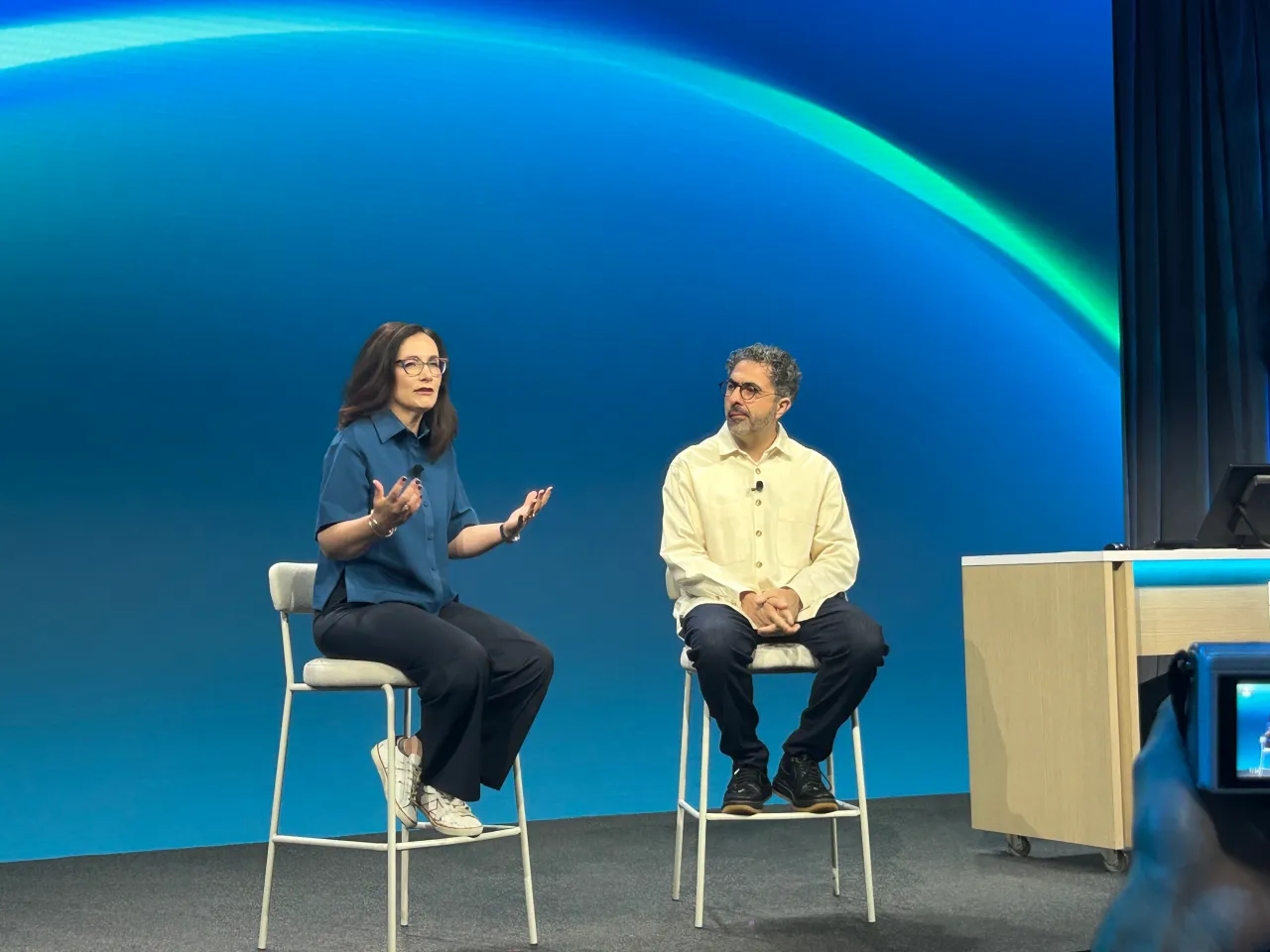
Pinterest Chief Business Officer Lee Brown said the future of discovery will not be shaped by keywords alone, but by context, taste, and trusted recommendations.
With Ask Pinterest, the company is positioning itself to play a bigger role in the future of AI-powered shopping, where discovery becomes more personalized, conversational, and visually driven.
Read the article in