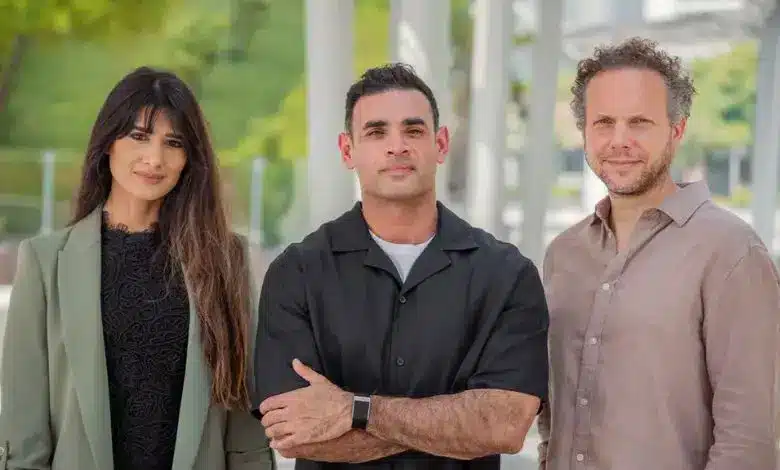

- Manus founders explore buyback from Meta in a deal that could reach $1 billion following Chinese regulatory intervention
- The move comes after Chinese authorities reportedly demanded the cancellation of the deal over concerns surrounding the transfer of sensitive technologies and strategic talent outside China
AI startup Manus is reportedly exploring a plan to raise nearly $1 billion from external investors in an effort to buy back the company from Meta and reverse the acquisition deal completed in late 2025 for approximately $2 billion, amid growing regulatory pressure surrounding the transaction.
According to sources cited by Bloomberg, the move follows intervention from Chinese authorities, which reportedly demanded the cancellation of the deal over concerns related to the transfer of sensitive technologies and strategic talent outside China.
The company’s three founders — Xiao Hong, Ji Yiechao, and Zhang Tao — are said to be considering a new funding round aimed at valuing Manus at no less than the original acquisition price, with the founders themselves potentially contributing part of the financing alongside external investors.
Proposed scenarios also include restructuring the company under a new Chinese partnership framework, potentially paving the way for a future listing on the Hong Kong Stock Exchange if the buyback plan succeeds.
Meta’s acquisition of Manus had already sparked significant controversy within the technology sector, particularly after the company relocated its headquarters and several key employees to Singapore ahead of the deal’s completion, a move widely viewed as an attempt to navigate around Chinese regulatory restrictions.
While reversing a completed acquisition remains highly unusual in the technology industry, several investors have reportedly expressed interest in participating in the buyback, especially given earlier projections that Manus could generate up to $1 billion in revenue this year.
However, the plan still faces major obstacles, including the integration of some Manus technologies into Meta’s systems and the relocation of several executives and employees to Meta’s Singapore offices, complicating any potential separation or restructuring process.
Read the article in