Microsoft has launched its first artificial intelligence model specialized in cybersecurity, alongside a new platform designed to automate vulnerability detection and remediation through teams of AI agents.
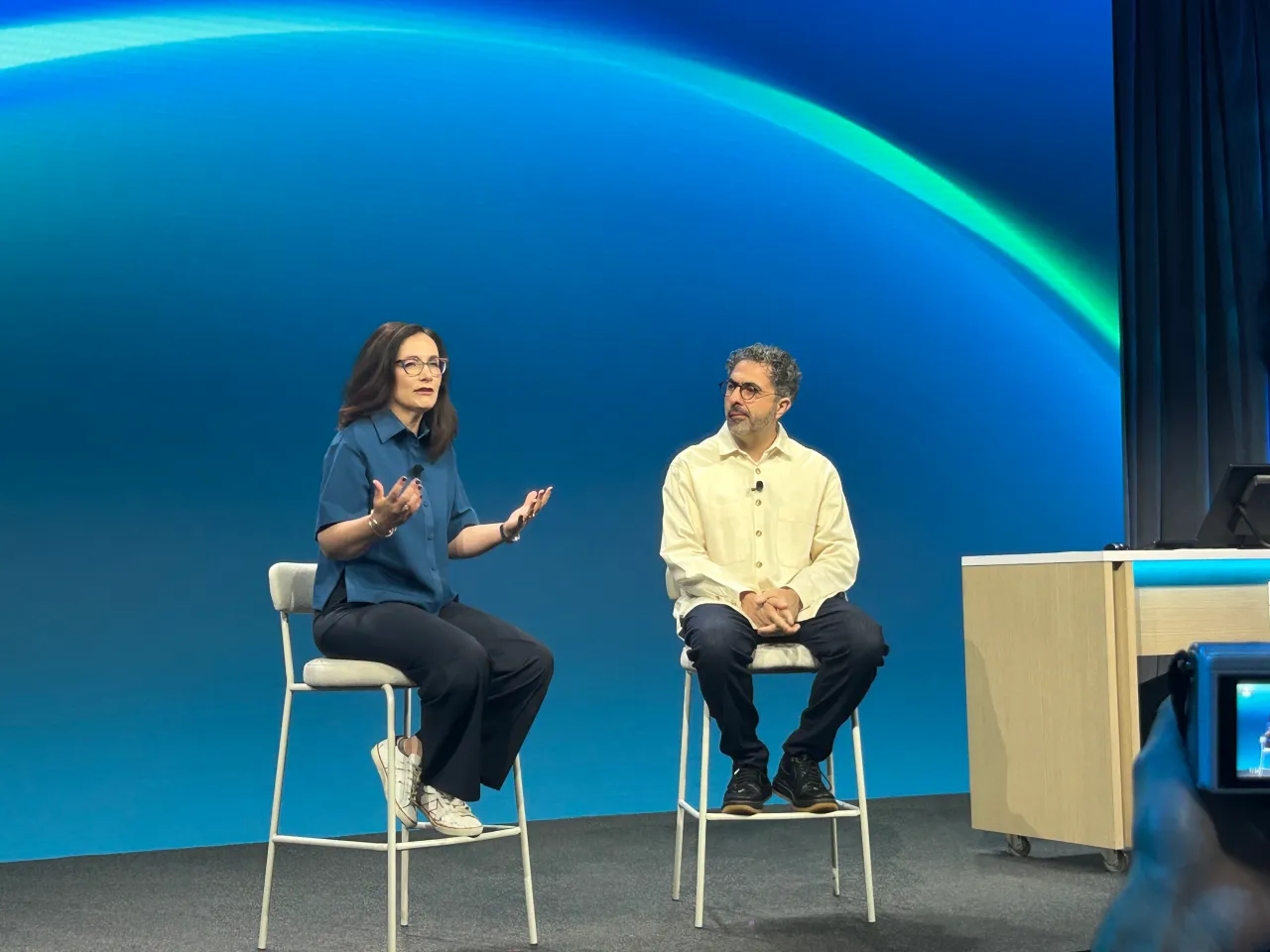
The company unveiled MAI-Cyber-1-Flash and the Perception cybersecurity platform during an event in San Francisco, strengthening its competition with Anthropic, Google, and OpenAI in the rapidly expanding AI security market.
What Is MAI-Cyber-1-Flash?
Microsoft describes MAI-Cyber-1-Flash as a cybersecurity model built to identify difficult vulnerabilities inside large and complex codebases.
The model operates within MDASH, Microsoft’s specialized system for software vulnerability identification, analysis, and remediation.
According to the company, the model can help security teams and software developers uncover weaknesses that may be difficult to detect using traditional code-scanning tools.
How MAI-Cyber-1-Flash Works With MDASH
MDASH uses artificial intelligence models to inspect software code, identify potential vulnerabilities, and prioritize them based on severity.
Microsoft said it combined MAI-Cyber-1-Flash with GPT 5.4 inside the MDASH system to improve its ability to detect security flaws and generate potential code fixes.
Microsoft AI CEO Mustafa Suleyman said the combined system delivered strong results on Cyber Gym, a benchmark used to evaluate AI models on cybersecurity tasks.
According to Microsoft, the system outperformed several competing models on the benchmark, including Gemini, GPT 5.5 Cyber, GPT 5.6 Sol, and Mythos 5.
What Is Microsoft Perception?
Alongside its new cybersecurity model, Microsoft introduced Perception, an AI security platform that deploys teams of autonomous agents to assist with and automate security workflows.
The platform is designed to perform tasks such as:
- Discovering software vulnerabilities
- Analyzing and prioritizing security risks
- Simulating potential cyberattacks
- Creating threat detection methods
- Correcting security configurations
- Generating potential code fixes
Perception can also integrate with MDASH, creating a unified system for detecting, assessing, and remediating software vulnerabilities.
How Perception’s AI Security Teams Work
Perception uses three categories of AI agent teams: red teams, blue teams, and green teams.
Red Teams
The agentic red teams simulate potential cyberattacks and identify the techniques attackers could use to exploit vulnerabilities.
They can also provide context about likely threat actors and the weaknesses those attackers may target.
Blue Teams
The blue teams focus on discovering, analyzing, and triaging existing vulnerabilities.
They help organizations determine which security issues require immediate attention and which can be addressed later.
Green Teams
The green teams take corrective action against identified vulnerabilities.
These actions can include adjusting security configurations, improving an organization’s security posture, and generating code changes designed to fix software flaws.
Reducing Vulnerability Remediation Time
Dave Weston, the lead engineer for Perception, said the platform can complete security processes in minutes that previously required hours of manual work from multiple specialized teams.
The system does more than identify vulnerabilities. It can also prioritize issues, develop detection methods, correct security configurations, and propose direct code fixes.
These capabilities could help companies reduce the time between discovering a vulnerability and deploying an appropriate fix.
Defending Against AI-Powered Cyberattacks
Microsoft’s announcement comes as cybercriminals increasingly use artificial intelligence to accelerate and improve their attacks.
Hayete Gallot, Microsoft’s vice president for security, described Perception as a way for enterprise defenders to fight AI-powered threats with defensive AI operating at a similar scale and speed.
Although artificial intelligence has introduced new defensive tools, it has also provided attackers with more powerful methods for discovering vulnerabilities, generating malicious code, and automating cyberattack campaigns.
Microsoft Takes On Anthropic, Google, and OpenAI
Microsoft’s new tools are entering an increasingly competitive market for AI-powered cybersecurity products.
Earlier in the year, Anthropic introduced Mythos, a cybersecurity platform made available to a limited group of partner organizations through a program called Glasswing.
OpenAI also launched its own security initiative in May through a program known as Day Break.
With MAI-Cyber-1-Flash and Perception, Microsoft is positioning itself as a major provider of AI systems that can combine attack simulation, vulnerability detection, threat prioritization, and automated remediation.
When Will Microsoft Perception Be Available?
Microsoft said its new cybersecurity tools will become available in preview on November 3.
The preview will allow organizations to evaluate the platform’s ability to discover vulnerabilities and automate security response workflows before deploying it more widely across production environments.
Read the article in