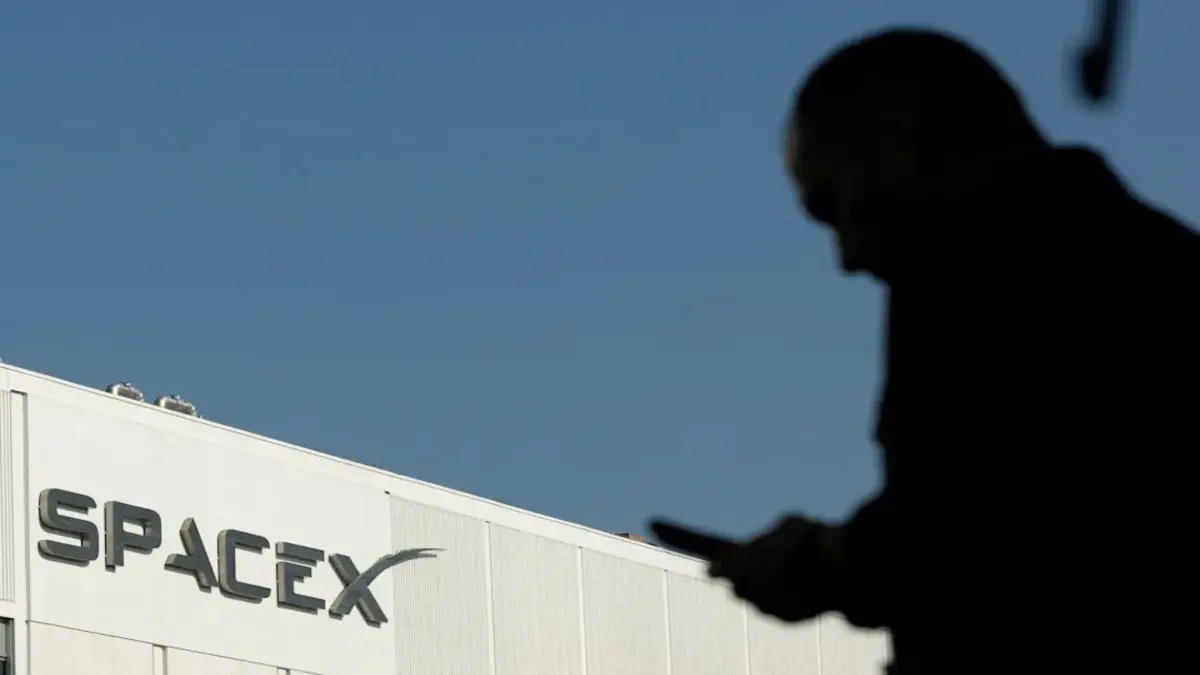
- Reports suggest merger talks between Tesla and SpaceX as investors weigh the implications for AI, space, and electric vehicles
Speculation over a potential merger between Tesla and SpaceX has resurfaced after recent reports indicated that CEO Elon Musk is still exploring the possibility.
The discussions come as SpaceX prepares to release its first earnings report as a publicly traded company, while its stock faces pressure ahead of a major share lockup expiration.
The renewed speculation has sparked debate over whether Musk is aiming to create a technology powerhouse that combines electric vehicles, space exploration, artificial intelligence, robotics, and digital infrastructure under one corporate umbrella.
Why Has the Tesla-SpaceX Merger Returned to the Spotlight?
The latest speculation follows a Wall Street Journal report indicating that executives have been evaluating potential merger scenarios while assessing the impact on Tesla’s operations in China, particularly given SpaceX’s extensive U.S. government and defense contracts.
According to the report, a merger could raise concerns among Chinese regulators, who may view the integration of Tesla’s manufacturing capabilities with a major U.S. defense contractor as a national security issue.
The report also suggested that Chinese authorities could be concerned about potential access to data from millions of Tesla vehicle owners in China if the companies were combined.
Why Would Elon Musk Consider a Merger?
Although neither company has officially confirmed merger plans, several strategic factors could make such a move attractive, including:
- Combining investments in artificial intelligence and advanced computing.
- Leveraging shared engineering expertise.
- Reducing research and development costs.
- Integrating manufacturing capabilities and supply chains.
- Creating a unified ecosystem spanning electric vehicles, space technology, energy, communications, and robotics.
Industry analysts note that Musk has long pursued a strategy of connecting his companies through shared technologies and infrastructure, particularly in AI and computing.
SpaceX Stock Faces Pressure Ahead of Earnings
The merger speculation comes during a volatile period for SpaceX shares ahead of the company’s upcoming quarterly earnings release.
The stock recently closed at approximately $108.37, down around 30% from its IPO price of $150, and nearly 50% below its all-time high of $225.64.
Investors are also closely watching the expiration of the company’s share lockup period, which could release up to 20% of outstanding shares into the market, potentially increasing selling pressure.
Massive Capital Spending Raises Investor Concerns
Investor attention is not focused solely on the stock price. SpaceX’s aggressive capital investment plans have also become a major topic.
Analysts estimate the company’s capital expenditures could increase from approximately $48.7 billion this year to more than $118 billion by 2028, while total debt could exceed $218 billion over the same period.
These projections reflect SpaceX’s significant investment in AI infrastructure and future technologies, but they also raise questions about whether those investments will generate sufficient long-term returns.
How Could a Merger Reshape the Technology Industry?
If completed, a Tesla-SpaceX merger could create one of the world’s largest technology groups by combining:
- Electric vehicles
- Space technology
- Satellite internet
- Artificial intelligence
- Robotics
- Clean energy
Such a company could gain substantial advantages in financing large-scale innovation while accelerating the development of AI-powered technologies and next-generation infrastructure.
However, the transaction would almost certainly face intense regulatory scrutiny in the United States, Europe, and China due to the combination of commercial operations, government contracts, and sensitive data assets.
What Would It Mean for Investors?
For investors, an official merger announcement would represent one of the most significant events in the technology sector in recent years.
On one hand, the combined company could unlock major growth opportunities by integrating the resources and expertise of both organizations. On the other hand, it could increase regulatory complexity and financial risk because of its enormous capital requirements.
Market participants will therefore be watching closely for any official statements from Tesla or SpaceX, particularly as SpaceX prepares to report its quarterly financial results.
Will the Merger Become Reality?
At this stage, neither Tesla nor SpaceX has officially confirmed any plans to merge. The current speculation is based on media reports describing internal discussions and strategic evaluations.
Nevertheless, the renewed attention highlights Elon Musk’s broader vision of building an interconnected technology ecosystem centered on artificial intelligence, where electric vehicles, space exploration, energy, communications, and advanced computing operate as a unified platform.
If such a merger eventually materializes, it could represent far more than a conventional corporate transaction—it could fundamentally reshape the global competitive landscape for technology and artificial intelligence over the next decade.
Read the article in