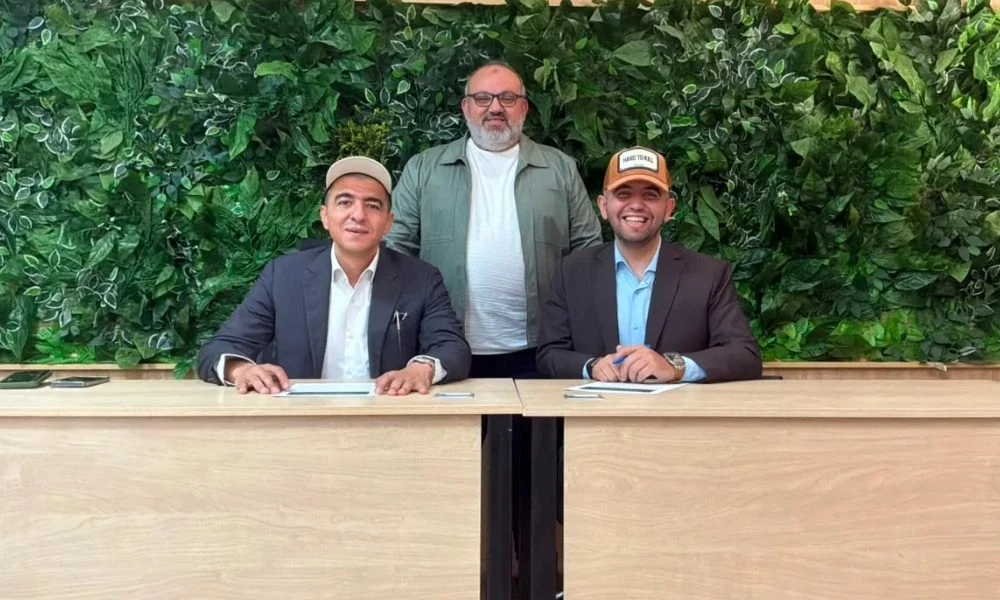
- Foras.AI has invested in Efham.ai, a platform developed by Egypt-based NixAI.
- Efham.ai plans to launch more than 100 AI training lessons by the end of Q3 2026.
- The platform focuses on teaching artificial intelligence in Arabic and helping users apply it in content creation, product building, and entrepreneurship.
Foras.AI has invested in Efham.ai, a platform developed by Egypt-based NixAI, with the aim of building the first Arabic community dedicated to teaching artificial intelligence in the Arabic language.
The platform plans to launch more than 100 training lessons by the end of the third quarter of 2026, targeting users across several Middle Eastern markets, including Egypt, Saudi Arabia, the UAE, Kuwait, Jordan, and other Arab countries.
The investment reflects growing interest in technical education and digital skills, especially as the use of artificial intelligence tools continues to expand among individuals, startups, and companies across the region.
Efham.ai is built around a clear gap in the market: much of the specialized educational content around artificial intelligence is still available mainly in English, which limits access for many Arabic-speaking users who want to learn these technologies in their native language.
The platform offers educational content in Arabic, using Egyptian colloquial Arabic to simplify technical concepts and make them easier and more relatable for users across the Arab world.
Efham.ai does not only focus on explaining the basics of artificial intelligence. It also aims to teach users how to apply AI tools in digital content creation, product building, startup launching, fundraising, and developing new income streams powered by AI technologies.
Foras.AI’s investment in Efham.ai comes as part of a broader shift toward supporting startups that localize technical knowledge and provide practical educational solutions for Arabic-speaking users.
The deal also highlights the rapid growth of the AI education market in the region, as a new generation of Arab startups focuses on making advanced technology more accessible through specialized Arabic content.
Read the article in