 نورهان فؤاد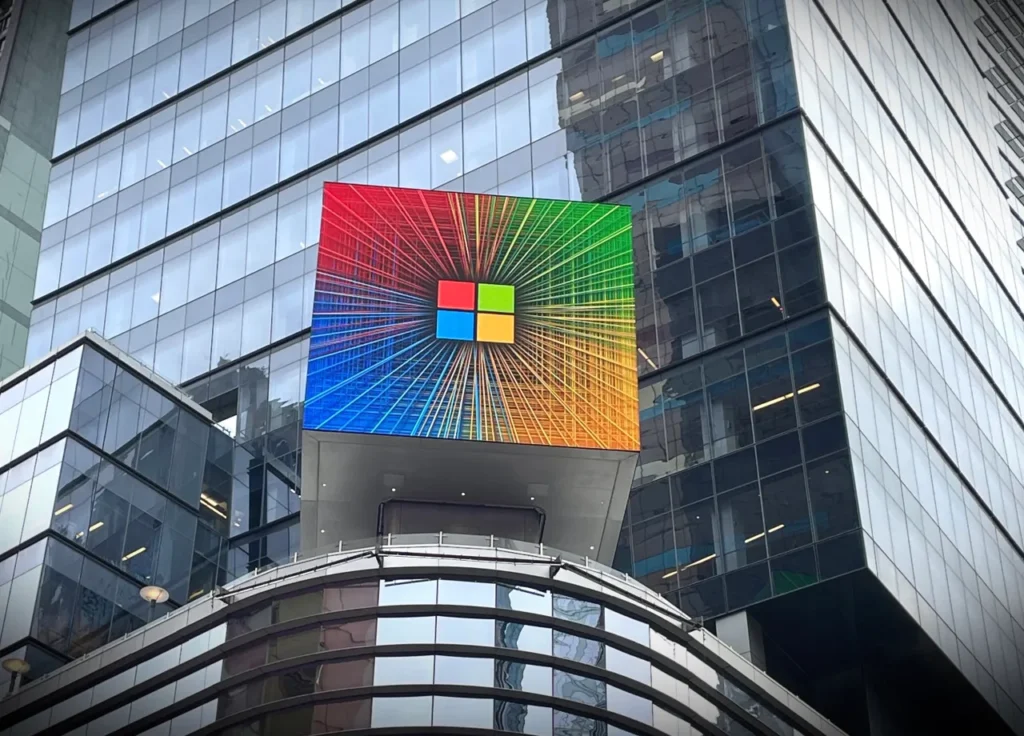
- Microsoft has launched Scout, a new personal AI assistant built into the Microsoft 365 ecosystem and based on the OpenClaw framework.
- Scout is designed as an always-on agentic assistant that learns the user’s working style and develops persistent memories and skills over time.
- The system includes continuous security and policy checks to reduce the risks associated with unsupervised AI agents.
Microsoft has launched Scout, a new personal AI assistant designed to bring the flexibility and power of agentic AI into the Microsoft 365 ecosystem. The assistant is built on the OpenClaw framework, which gained strong attention across the AI industry in early 2026 for introducing a more open and autonomous approach to AI agents.
The launch comes after OpenClaw quickly became one of the most discussed projects in the AI community, attracting ambitious technologists interested in building more capable and flexible AI assistants. Although the project’s momentum slowed after its founder joined OpenAI, its influence continues to shape new products, particularly within Microsoft.
Scout is designed as an always-on assistant that works alongside the user with a persistent identity and style. Users can give their own Scout instance a name and provide ongoing feedback on the tasks they want to automate. In one demo, the assistant was named Sebastian, reflecting Microsoft’s focus on making the experience feel personal and adaptable.
According to Scout Vice President Omar Shahine, the goal is to create an assistant that actively adapts to each user’s needs. He explained that everyone has unique ways of working, and users are beginning to turn those habits into memories and skills that remain inside their AI agents. Over time, this allows the assistant to better understand the user, gain more agency, and make more informed judgments.
Scout is cloud-based, but it also operates across desktop and web browser environments. This makes it easier for the assistant to connect with inboxes, calendars, and other daily work systems. Microsoft said Scout will come with prepackaged skills for tasks such as calendar management and drafting meeting agendas, while also allowing users to create their own customized skills.
Microsoft expects the real value of Scout to come from the skills users build around their own workflows. Rather than functioning as a fixed assistant with limited commands, Scout is positioned as a personal agent that evolves with the user and becomes more useful as it learns from repeated feedback and behavior.
Security is also a central part of the product. Microsoft has added extensive protection measures to address concerns around autonomous AI agents operating without enough oversight. Scout includes a built-in policy conformance system that continuously checks whether the assistant is working according to defined guidelines. Each check also produces its own audit trail, giving organizations more visibility into how the assistant behaves.
Scout is part of a broader set of AI products Microsoft introduced at Build, including the hardware-focused Project Solara, an update to Copilot, and a new reasoning AI model.
The launch of Scout signals Microsoft’s growing focus on deeply integrated AI assistants that go beyond answering questions or completing simple commands. With Scout, the company is moving toward a model where AI can learn, adapt, and support users across their everyday work inside Microsoft 365.
Read the article in