محمد يحي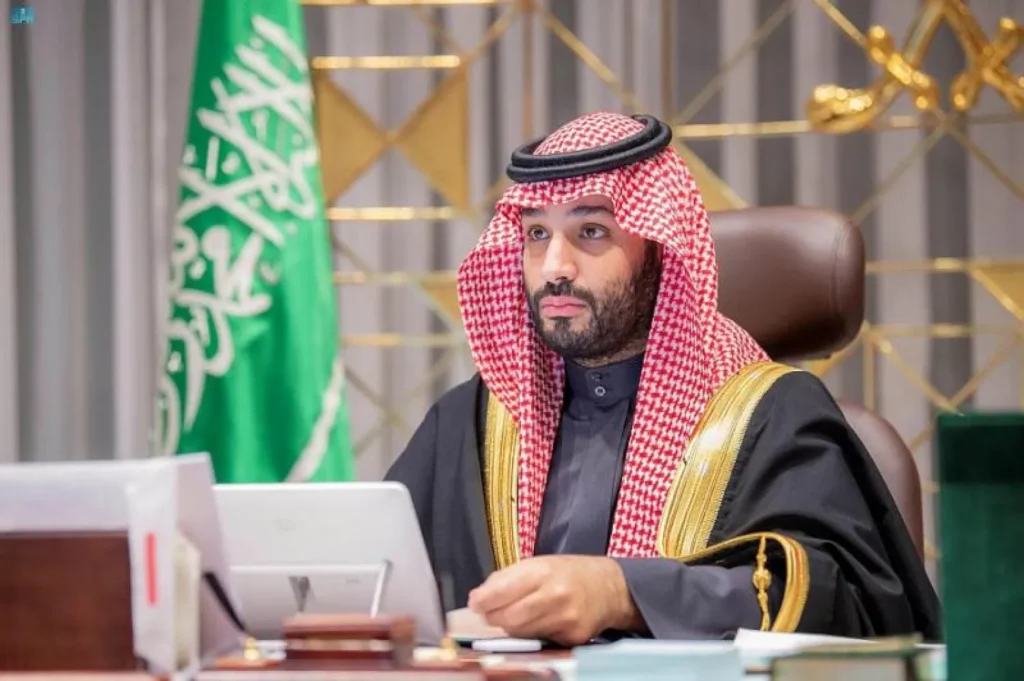
• The Saudi Cabinet announces Crown Prince Mohammed bin Salman’s approval to abolish fees imposed on expatriate labor in licensed industrial facilities
• The decision supports the competitiveness of Saudi non-oil exports and opens new global markets
• Industrial exports reached SAR 1.22 trillion over six years
The Saudi Cabinet, chaired by His Royal Highness Prince Mohammed bin Salman bin Abdulaziz Al Saud, Crown Prince and Prime Minister, has approved the abolition of the financial levy imposed on expatriate labor employed in industrial facilities licensed under an industrial permit.
The decision was submitted by the Council of Economic and Development Affairs to the Cabinet as part of the Crown Prince’s support and empowerment measures for the industrial sector, which is considered one of the key pillars for achieving the objectives of Saudi Vision 2030.
The move is expected to enhance the global competitiveness of Saudi industry, increase the reach and penetration of non-oil exports into international markets, and enable industrial facilities to invest in operational development, boost productivity, and create more job opportunities.
It also contributes to unlocking new investment opportunities across the industrial ecosystem, including the industry and mining sector, positively impacting economic growth rates in the Kingdom and supporting the expansion of non-oil exports globally.
In addition, the decision stimulates the growth of small and medium-sized industrial enterprises by easing financial burdens, reaffirming their role in driving sustained industrial growth, and ensuring their long-term continuity and development.
This includes adopting Fourth Industrial Revolution technologies such as automation and production efficiency through programs and incentives launched by the industrial ecosystem, notably the “Future Factories” program.
Commenting on the decision, Minister of Industry and Mineral Resources Bandar bin Ibrahim Al-Khorayef stated that Saudi Arabia had borne the expatriate labor fees over the past six years, during which they played a pivotal role in achieving qualitative leaps in the sector.
The number of factories increased from 8,822 to more than 12,000, while industrial investments grew by 35% to reach SAR 1.22 trillion.
Non-oil exports recorded a growth rate of 16%, reaching a value of SAR 217 billion, while employment rose by 74%, with the number of workers increasing from 488,000 to 847,000. Localization rates also increased from 29% to 31%.
Al-Khorayef noted that the decision will further enhance sustainable industrial development, reduce operating costs, and enable factories to expand and adopt automation and artificial intelligence technologies.
He added that industrial GDP grew by 56% to exceed SAR 501 billion, emphasizing that these achievements reflect the Kingdom’s commitment to becoming a global industrial powerhouse.
He also highlighted that the ministry aims in the coming period to offer 800 investment opportunities worth SAR 1 trillion and to triple industrial GDP to reach SAR 895 billion by 2035, strengthening the sector’s role in the national economy and attracting more international investments and advanced technologies.